
The hardest leaks to find are often the ones that leave only indirect evidence behind, and underground leaks fall squarely into this category. A leak below ground can surface first as a pressure change, an unusual night-flow pattern, a damp patch of earth or a customer report. Each clue matters individually and may be worth investigating on its own merit, but none gives the full answer on its own. This is why modern water leak detection equipment frequently combines acoustic techniques with flow, pressure and network data so that engineers can narrow their search area, confirm the likely source and act with greater precision.

So, how are underground water leaks detected, and what water leak detection equipment do you need to maximise your identification and resolution efficiency?
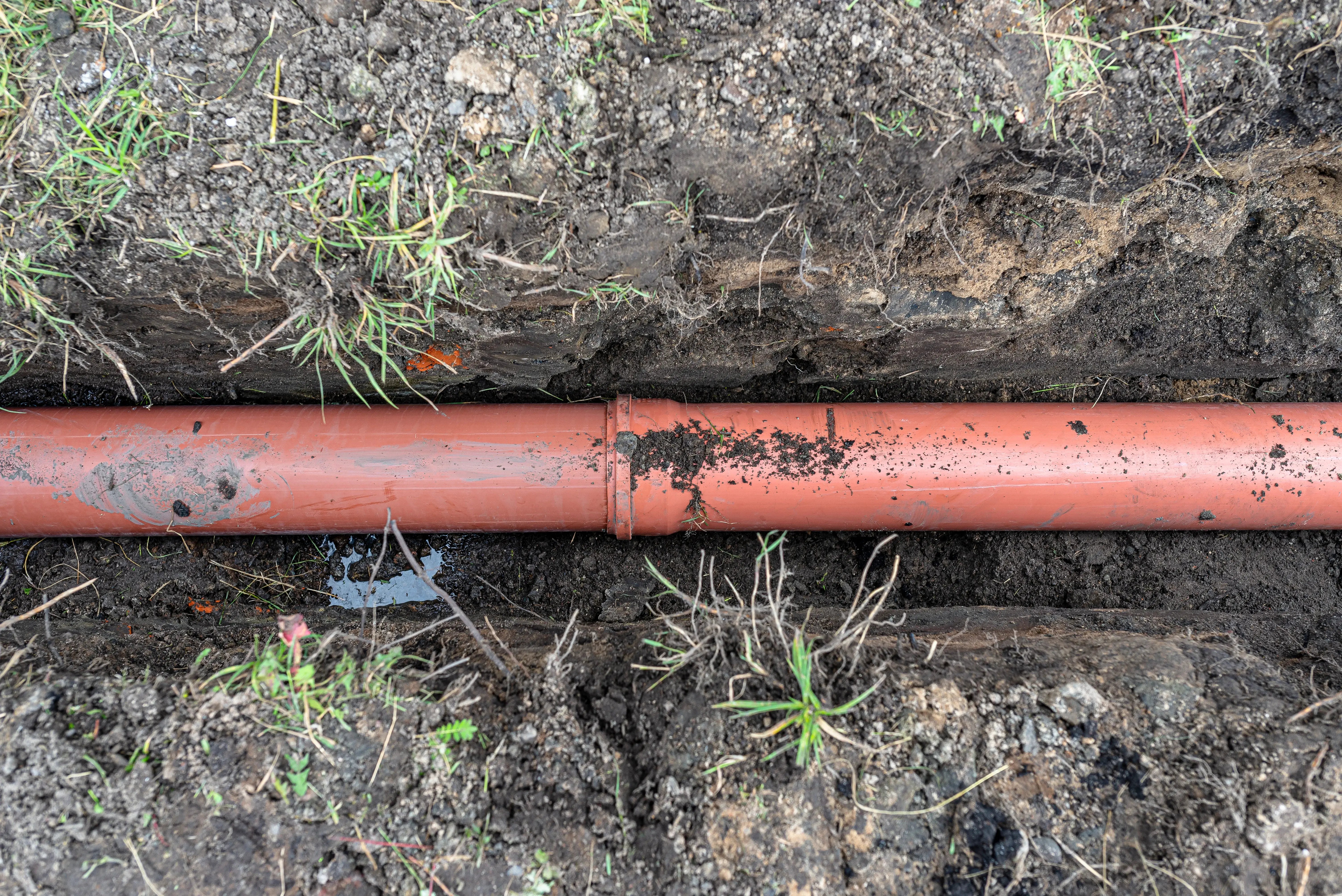
How Are Underground Water Leaks Detected? A Potted History
Underground water leaks are detected by combining physical field evidence with network data analysis. The aim is to move from a broad suspicion of something being wrong in such and such area, to a confirmed leak location that a field team can excavate with confidence.
Traditionally, underground leak detection relied heavily on field-based techniques. The process can be painstaking; a leakage engineer might inspect an area, listen out for leak noise on valves or fittings, use acoustic sticks or ground microphones, and follow clues such as damp ground, reduced pressure, customer reports, or visible water at the surface. Make no mistake, these methods are still important because a leak has to be confirmed in the real world before repair work begins.
The challenge is that underground leaks do not always show themselves so neatly or conveniently. Water may travel a long way through soil, drains, or service ducts before appearing at the surface, or it may never surface at all. Some leaks are noisy and relatively easy to pick up acoustically, while others are quieter, deeper, intermittent, or masked by surrounding noise. This is why relying solely on field investigations can be slow and labour-intensive, especially across large and complex networks.
In response, modern utility operators have started to transition to data-led targeting before sending engineers into the field. These sensor-based systems help operators identify areas where leakage events are more likely. For example, if peak flow rises in a metered area but customer demand has not changed enough to explain it, this may indicate a new leak. If pressure behaviour also shifts, or your acoustic loggers detect persistent leak-consistent noise, the case for sending out an engineer becomes stronger.
Water Leak Detection Equipment And Techniques
New water leak detection equipment has subtly changed the role of field teams, so instead of surveying wide areas from scratch, technicians can focus on areas where the data already suggests a problem. The data has not replaced experienced engineers or traditional techniques such as acoustic monitoring, but it does give workers in the field a better head start and stronger evidence to build on.
Smart loggers are a big part of this transition. Installed on valves, hydrants, and other fittings, these loggers listen for leak noise over time and send alerts remotely. And, when integrated into an operational platform, alerts can be compared with historical flow, pressure, and asset performance trends to more confidently diagnose suspected leaks across District Metered Areas and trunk mains. Smart meter data adds an additional layer, helping distinguish between genuine network water losses and legitimate changes in consumption. Technology has created a feedback loop between field interventions and remote monitoring devices. Over time, this makes detecting water leaks more efficient by empowering engineers to see which signals are reliable, which areas experience recurring problems, and where field efforts produce the best returns.
What Next?
Pinpointing underground leakage is easier when fieldwork is guided by credible network evidence. At Crowder, our team combine acoustic methods, flow and pressure analysis, and data-led targeting to focus investigations where they deliver the most value. Please get in touch to discuss your detection challenges.
Image Source: Envato